




Key safety measures and why tackle them first
Firstly, hazard identification and risk assessment are prioritized as they form the foundation for all safety planning. Without a clear understanding of potential risks, effective control measures cannot be established.
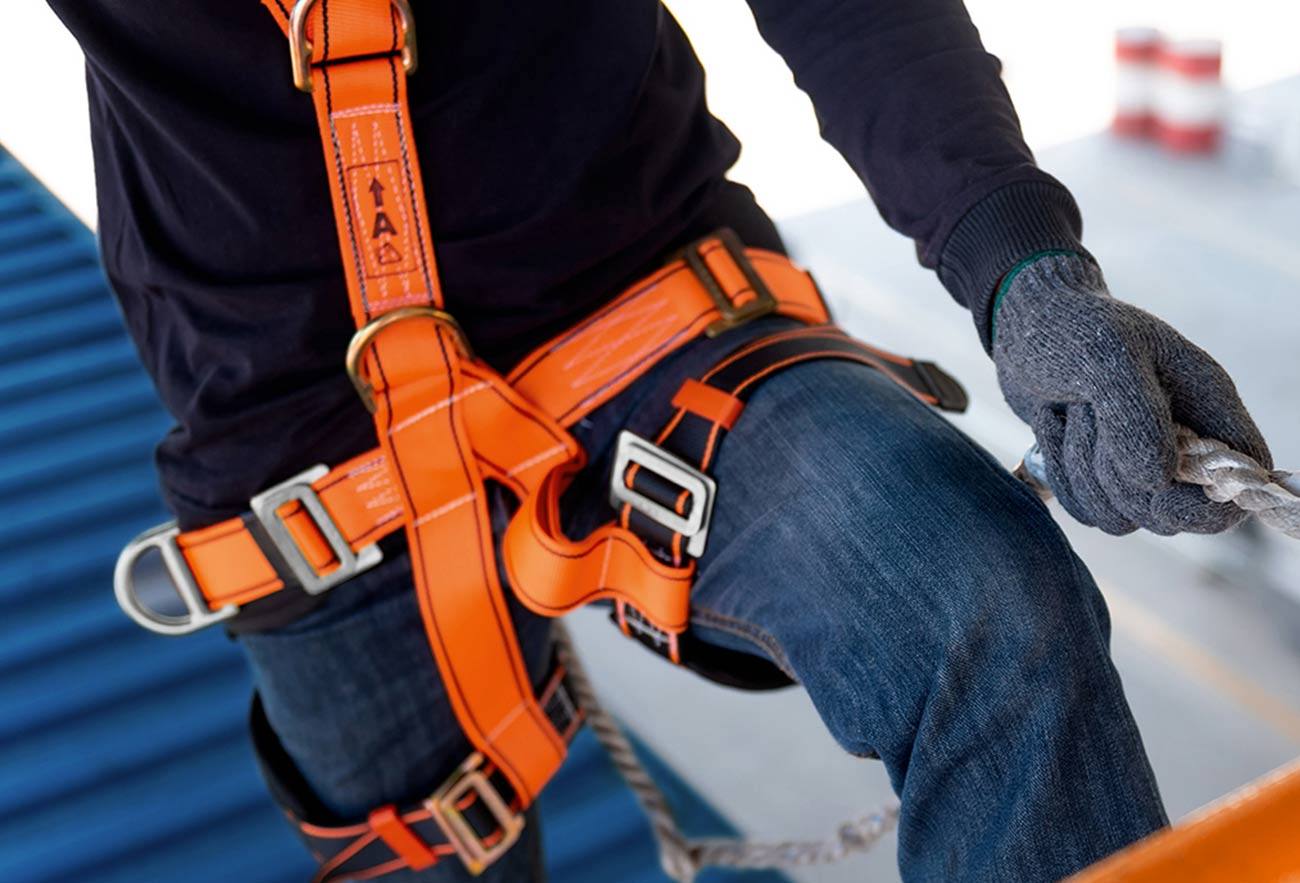
Secondly, provision of proper personal protective equipment (PPE), such as helmets, safety harnesses, gloves, and safety footwear, is essential to minimize injury in case of unforeseen incidents. Ensuring PPE availability and enforcement at the beginning reduces immediate exposure to risk.
Thirdly, training and competency verification are addressed early to ensure that all personnel are aware of safe working procedures and capable of performing their tasks safely. Untrained personnel significantly increase the likelihood of accidents.
Fourthly, implementation of safe work procedures and permit systems ensures that all high-risk activities, including working at height, are properly controlled and authorized before execution.
The implementation of key safety measures is critical and must be addressed at the earliest stage of the project to prevent accidents, reduce risk exposure, and ensure compliance with safety regulations.
Lastly, continuous monitoring and supervision are established from the outset to enforce compliance and quickly identify unsafe practices.
These measures are tackled first because they directly impact the likelihood and severity of incidents. Early implementation ensures a safer working environment, reduces downtime caused by accidents, and supports overall project efficiency and compliance with legal requirements.

Denis Ford
Quam adipiscing vitae proin sagittis nisl rhoncus mattis. Aliquam faucibus purus in massa tempor nec. Urna nec tincidunt.